Upholstery review
Relate construction, backing, usable width, repeat, abrasion method, cleanability, and care requirements to the named seating or headboard use.

Questions organized by surface
A useful review does not begin with a universal claim. It begins with the named product, the contract-interior surface, and the document or test requirement that controls the decision.
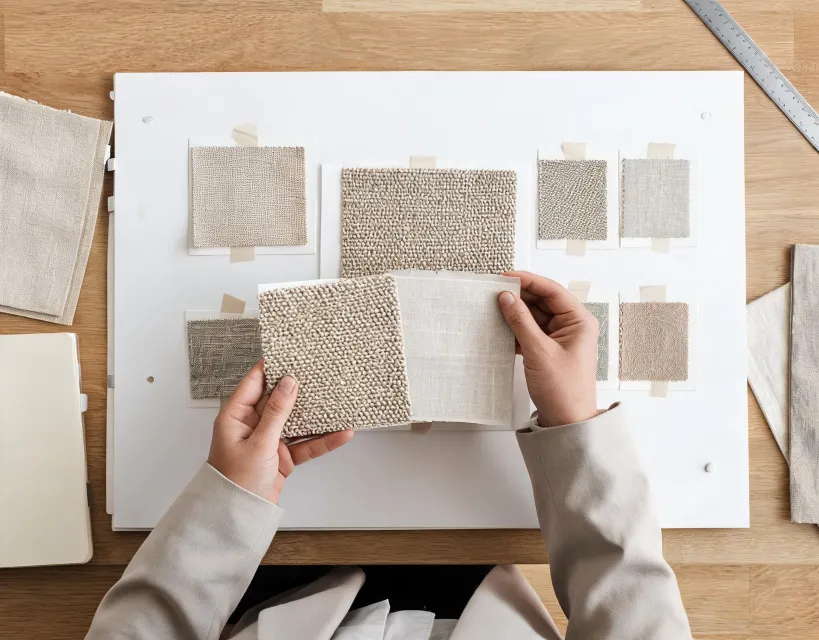
Four precise review lanes
Relate construction, backing, usable width, repeat, abrasion method, cleanability, and care requirements to the named seating or headboard use.
Check substrate, backing, Type criteria when applicable, flame method, installation preparation, seam planning, and maintenance instructions.
Separate the textile's properties from the complete wrapped, tackable, or acoustic panel assembly and its independent testing.
Identify the exact Xorel construction and application before using statements about content, finish, cleanability, backing, or environmental documentation.
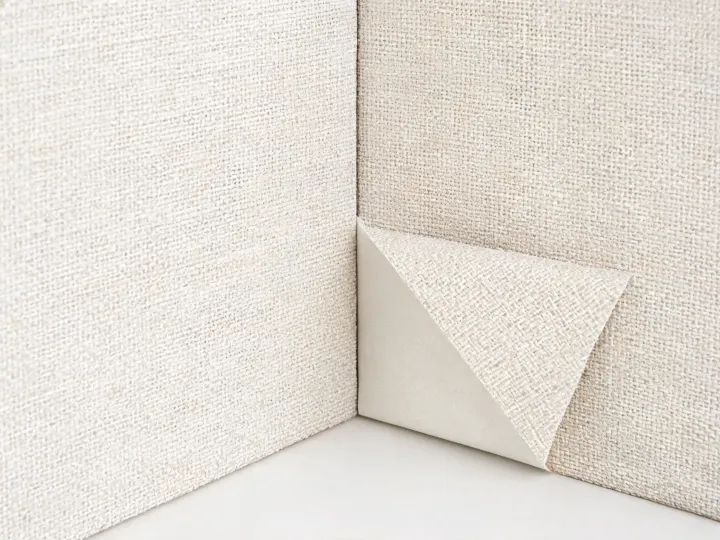
Question set 01
Begin with the wall condition, substrate preparation, backing option, usable width, pattern repeat, seam direction, adhesive compatibility, cleaning exposure, and the relevant flame-spread requirement. A result stated for one backing or test specimen does not automatically transfer to another installation build-up.
For high-contact interiors, distinguish scrub resistance, stain removal instructions, disinfectant compatibility, and impact exposure. These terms are related but not interchangeable. The current product sheet and installation instructions govern the conversation.
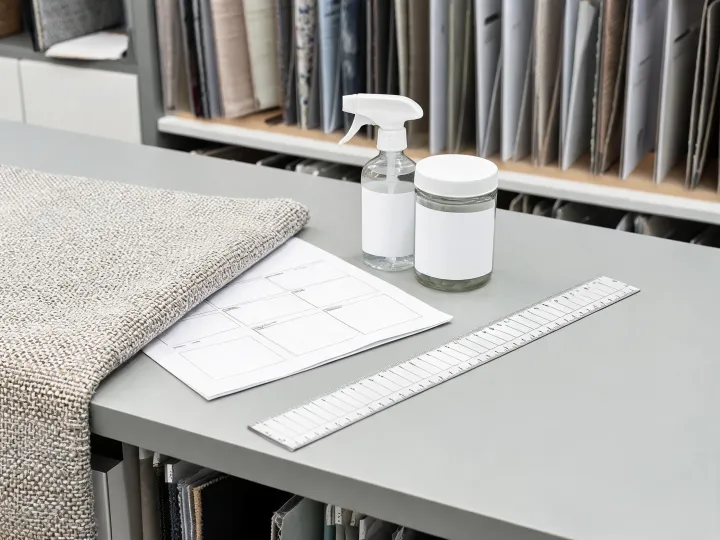
Question set 02
Martindale abrasion and Wyzenbeek abrasion use different motions, equipment, abradants, and reporting conventions. A cycle or double-rub figure only becomes useful when it remains attached to the stated method, specimen construction, result language, and intended seating application.
Cleanability also needs a specific protocol. Water, solvent, diluted bleach, or a named disinfectant cannot be treated as equivalent. Confirm concentration, dwell time, rinse steps, frequency, backing, and colorway against the product-specific care record.
Bring the decision constraint
Include the pattern or Xorel reference, surface type, substrate, performance method, cleaning chemistry, project quantity, and decision date. If the product is not yet known, describe the appearance, traffic level, installation, and maintenance conditions instead.